戦前のニコイチ長屋の片側リノベーション
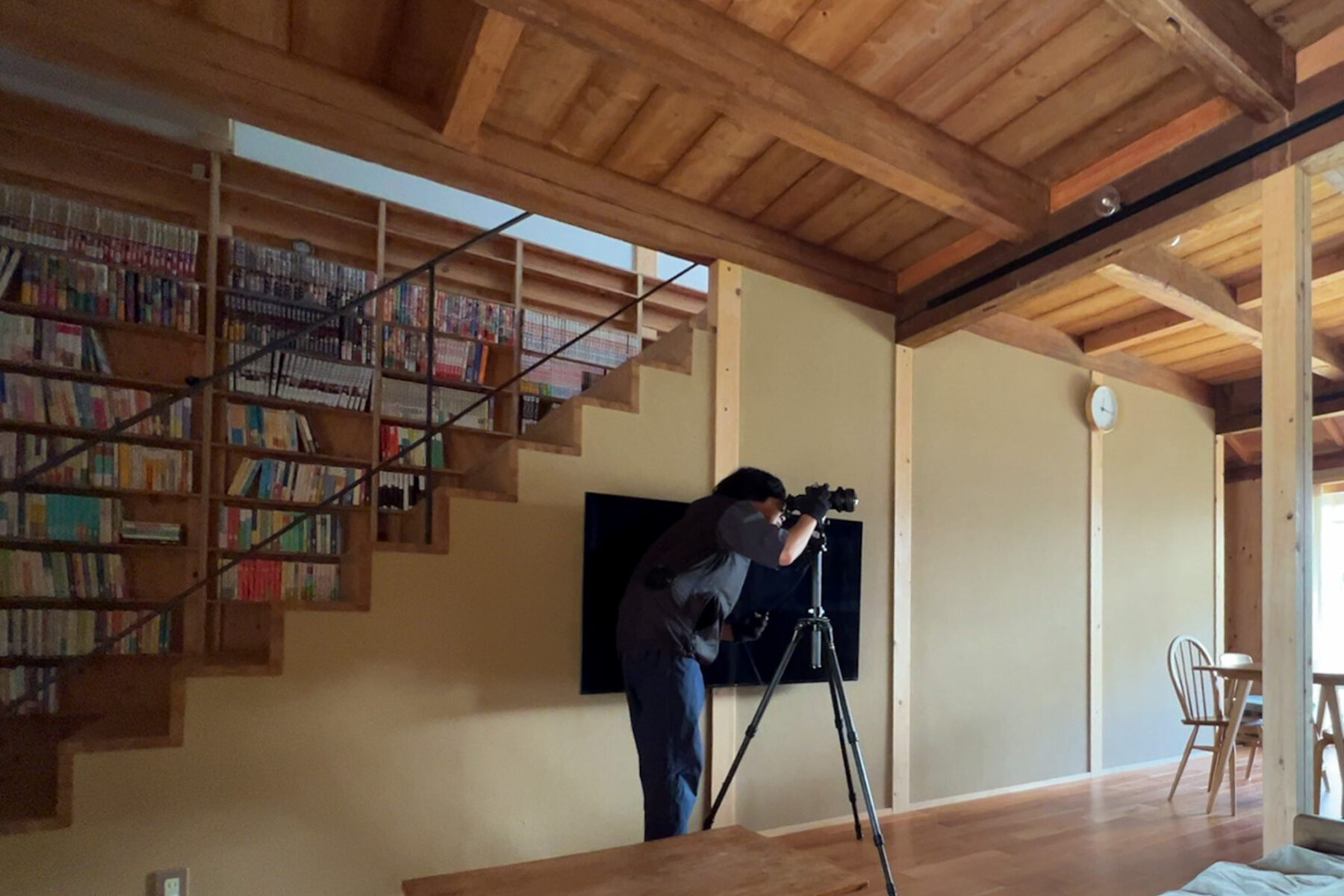
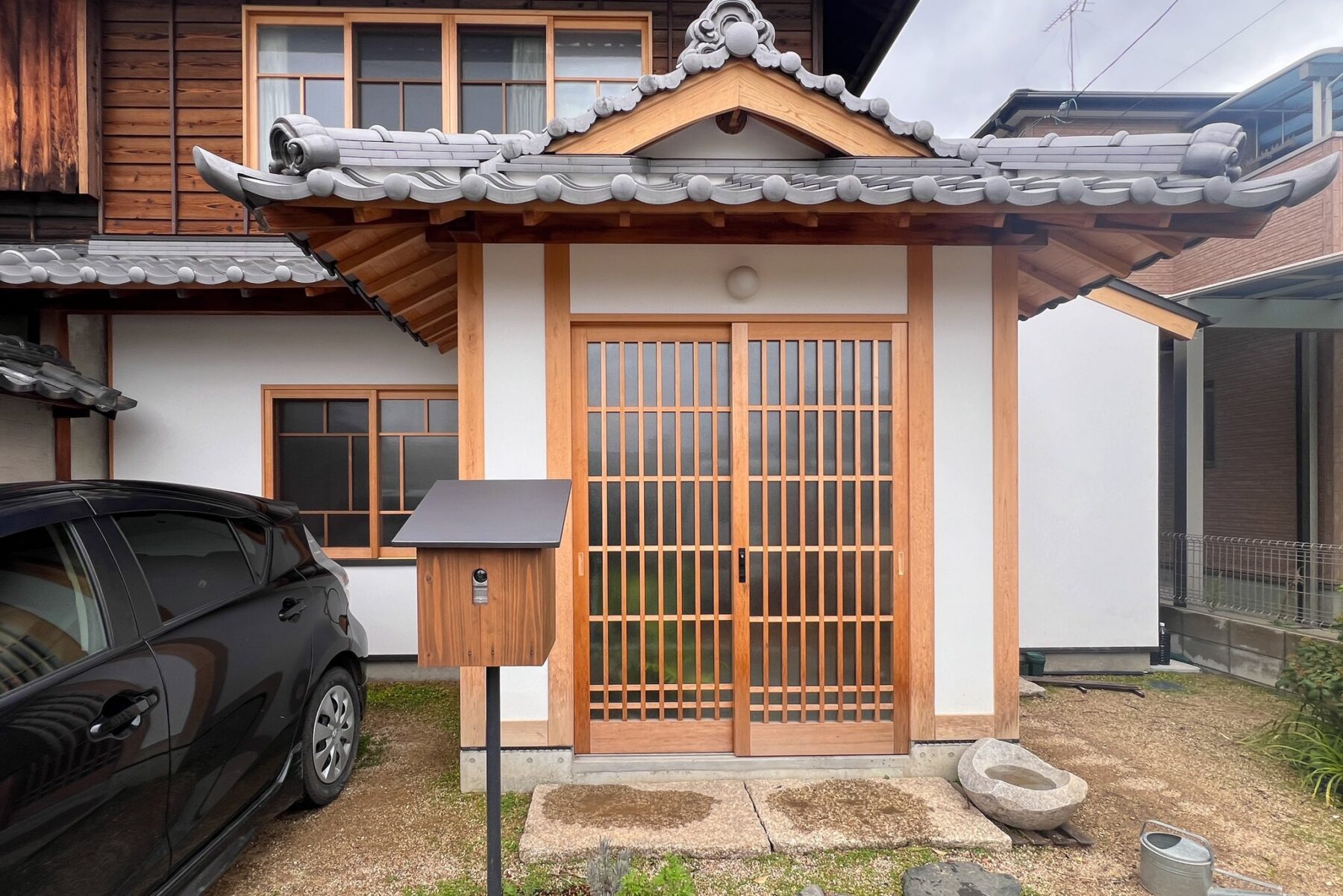
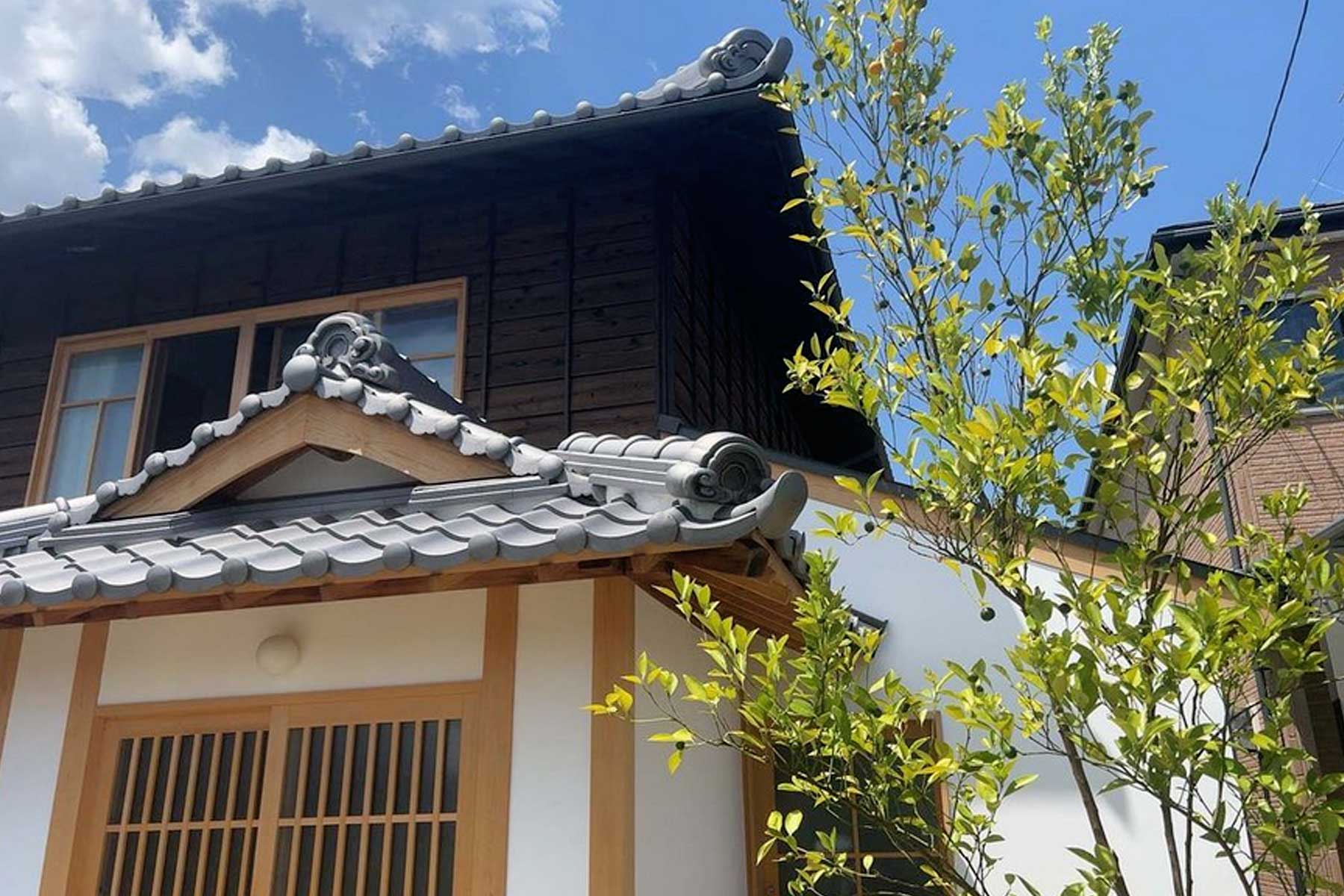
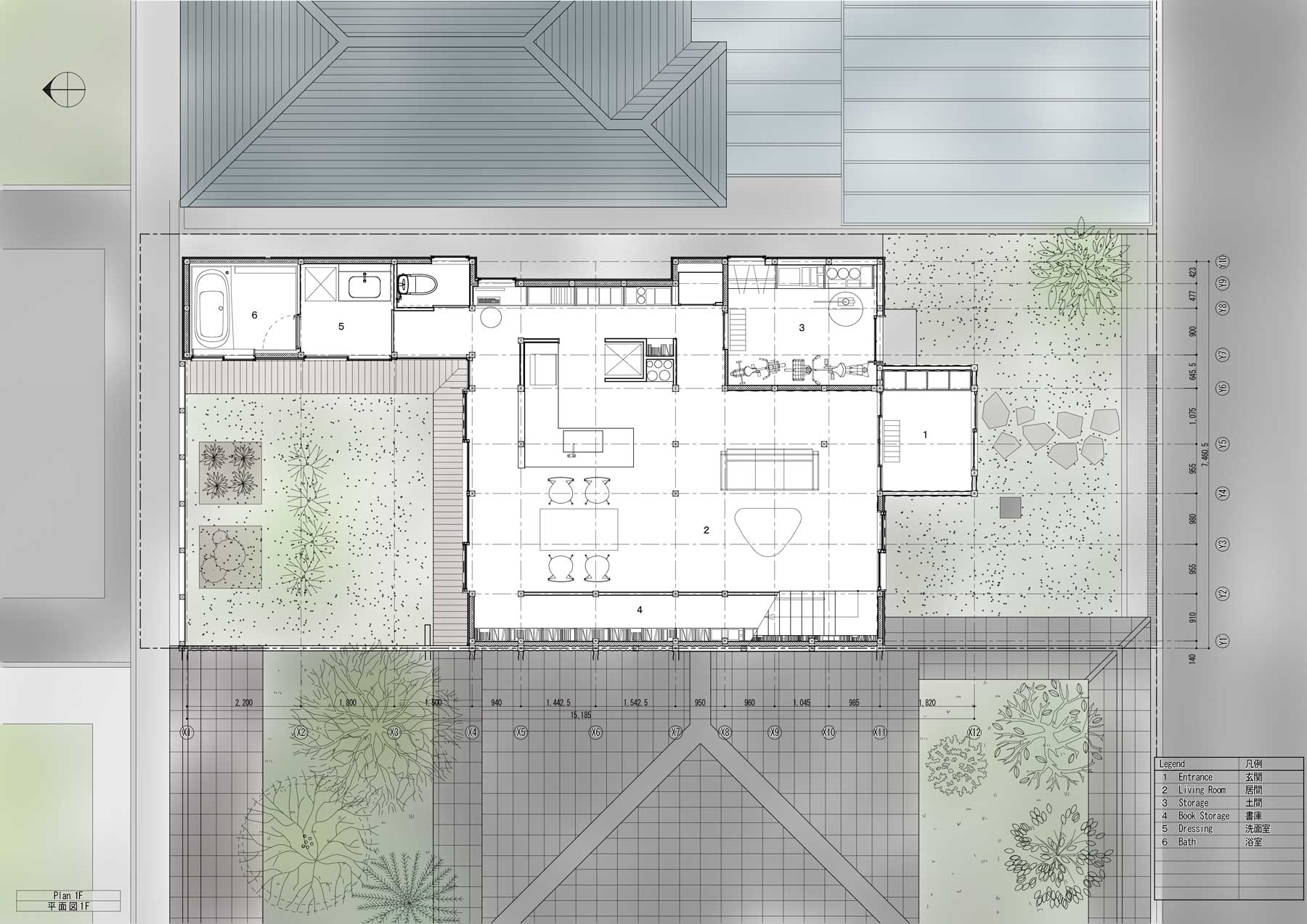
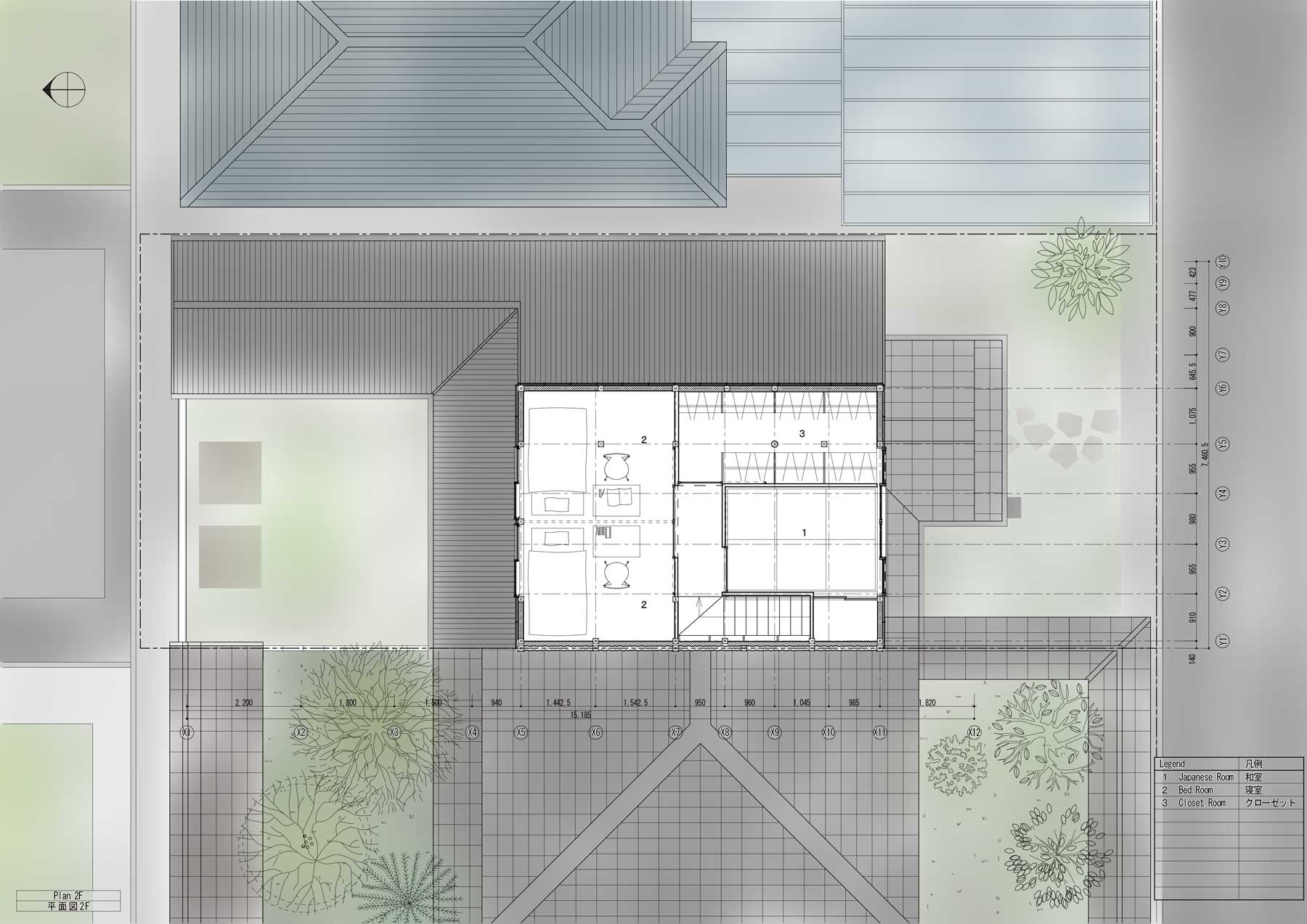
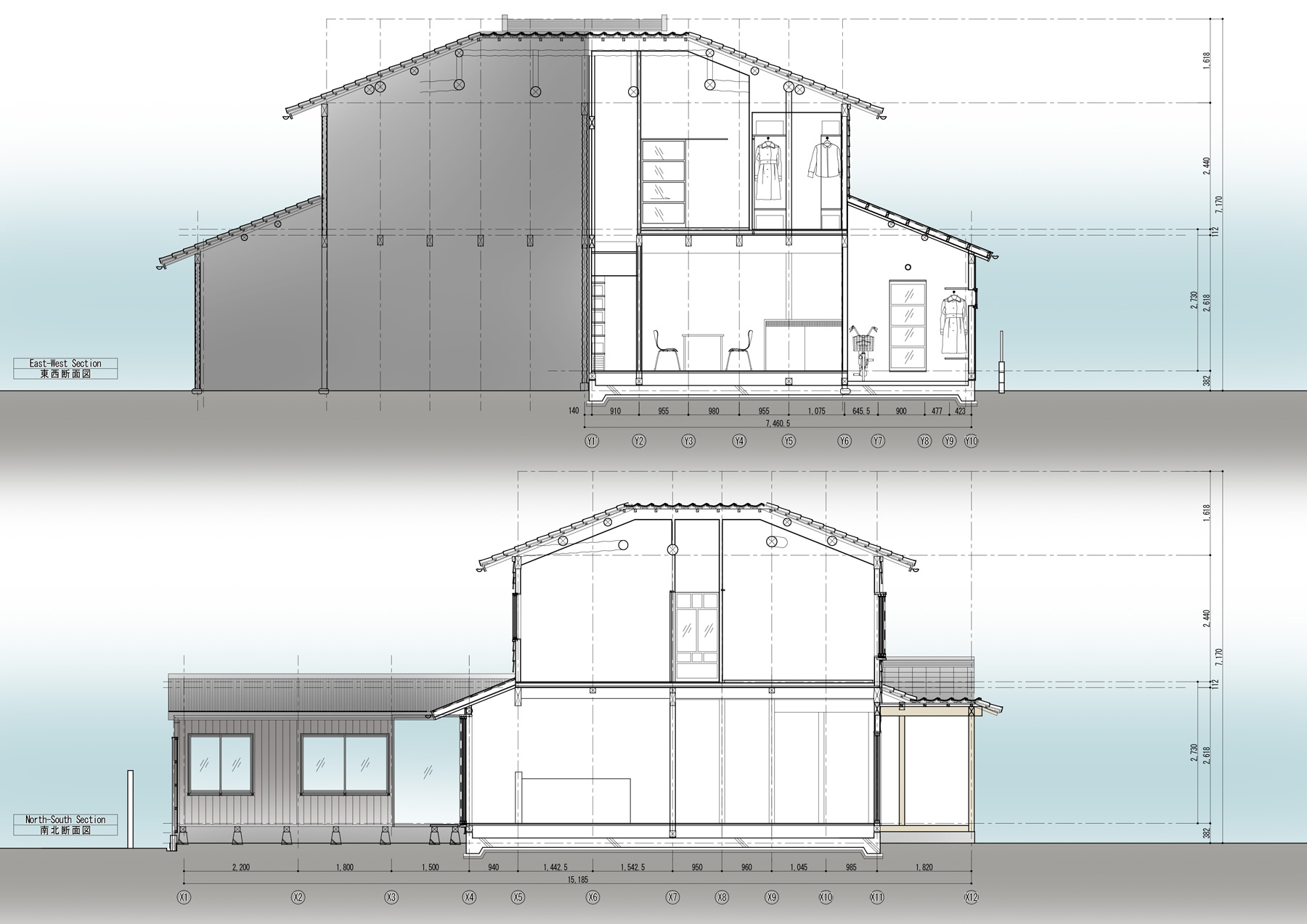
奈良県中部。古くから街道沿いの宿場町として栄えた橿原市八木町。江戸期の街並みが保存されている重伝建地区の今井町に比べて規制が緩く、旅籠から明治・大正期の古民家、戦後の昭和レトロな店舗併用住宅まで、バラエティに富んだ年代・様式の建物が混在した生活感の溢れる地域です。しかし規制が緩いと同時に特別な保護施策もないため、近年は昭和期以前の建物の取り壊しが相次ぎ、駐車場やハウスメーカーのプレファブ住宅、賃貸ハイツから成る均質な街並みへの移行が急速に進んでいます。お施主様は八木町の豊かな街並みや古い民家の保存・活用に寄与しながらそこで実際に生活したいという強いご希望をお持ちでした。地域のまちづくり活動を担うNPO法人の協力もあり、空き家のまま放置された大きなニコイチ長屋の片側を譲り受けて改修することになりました。このニコイチ長屋は昭和の戦前期に5軒並んで建てられ、住み手や住み方の変遷によってアレンジを加えられつつ約100年間維持されてきました。1軒は数年前に解体撤去され、残った4軒も老朽化が進んでいます。特に今回改修を行う建物は約30年間、窓を締め切ったまま放置され、漏水・腐朽・蟻害による損傷が進んで廃屋の一歩手前といった有様でした。建物の東半分だけをスケルトンまで解体してベタ基礎を敷設、柱梁を入れ替え或いは継ぎ接ぎし、西側の隣家が解体撤去された場合でも十分な耐震性を確保できるよう構造補強を行いました。特に傷みが激しかった玄関は一度全て解体して、まだ使える部材を吟味し再利用しながら組み直しています。南北の庭に開いた風通しの良い居間を中心に回遊性の高い間取りに変更し、床・壁・天井に断熱施工、設備と外部建具は全てやりかえ、木製建具は出来る限り補修して再利用しました。古い素材やつくりかた、空間を捨て去って均質な大量生産品で家や街をつくることは容易ですが、一度失った文化の積み重ねを取り戻す事は出来ません。古いものを読み解き、新しい住み方・考え方との接点を丁寧に探ることで過去と未来をつなぐ住まいをつくり、それがやがて街の在り方にも何らかの影響を及ぼすことを願っています。


Yagi-cho, Kashihara, Nara Prefecture, was a prosperous post town for more than 1,000 years. The town is less regulated than the neighbouring Imai-cho, where the Edo period townscape is preserved by law, and is a downtown area with a mix of buildings of various ages and styles. In recent years, pre-Showa period buildings have been demolished one after another, and the town is rapidly changing into a homogenous townscape consisting of parking lots, pre-fab houses and rental flats. The clients had a strong belief that they wanted to live in Yagi-cho while contributing to the preservation and utilisation of the old townscape and housing. With the help of a NPO working on community development in the area, they decided to take over and renovate the east side of a large two-unit rowhouse that had been left vacant and abandoned. The rowhouse was built before World War II and had been left for almost 30 years with all the windows shut, decaying from leaks and termites. The eastern half of the house was once returned to naked structure, concrete basement installed, post and beams replaced and the structure reinforced to ensure earthquake resistance if the western half of the house were to be removed. The single-storey part of the house was dismantled and reassembled, with components carefully selected and re-used. The floor, walls and ceilings were insulated, all facilities and exterior doors were replaced, and the interior doors were repaired and reused. It is easy to throw away old materials, construction methods and spaces and build a house or town with homogenous mass-produced products, but it is impossible to revive the cultural layers that have been lost. By carefully examining the old elements and carefully exploring ways to co-exist with new ways of living and thinking, we hope to create a residence that connects the past with the future, and that this will eventually have some impact on the city.


- 概要
-
計画|2020-2024 所在地|奈良県橿原市 家族構成|ご夫婦+子ども2人 構造規模|木造2階 用途|一戸建ての住宅(長屋) 敷地面積|47坪[156m2] 延床面積|32坪[106m2] 施工床面積|43坪[142m2]
- 協働
-
設計監理|山本嘉寛[YYAA] 施工|[福本工務店] キッチン|[KANWORKS] 庭|[塩津植物研究所] 撮影|笹倉洋平[笹の倉舎]
- 放映
- 掲載